People
Permanent Researchers
Florence GAZEAU, PhD.
DR - CNRS, Member of the Academy of Sciences
Director of NABI
Laura FOUASSIER, PhD.
CR - INSERM
Deputy director of NABI
Vincent FLEURY, PhD.
DR - CNRS
Jean-Marc DI MEGLIO, PhD.
Professor - UPC
Nikaïa SMITH
CR - INSERM
Marc POCARD
PUPH - APHP, UPCité
Anne BAUDOT
MCF, UPCité
Amanda SILVA BRUN, PharmD., PhD.
DR - CNRS
Stéphanie MANGENOT, PhD.
Professor - UPC
Julia DANCOURT, PhD.
MCF - UPC
Lucile ALEXANDRE, PhD.
CR - CNRS
Hugo SALMON, PhD.
MCF - UPC
Olivier BLANC-BRUDE, PhD., HDR
CR - CNRS
Serge BENICHOU
DR - CNRS
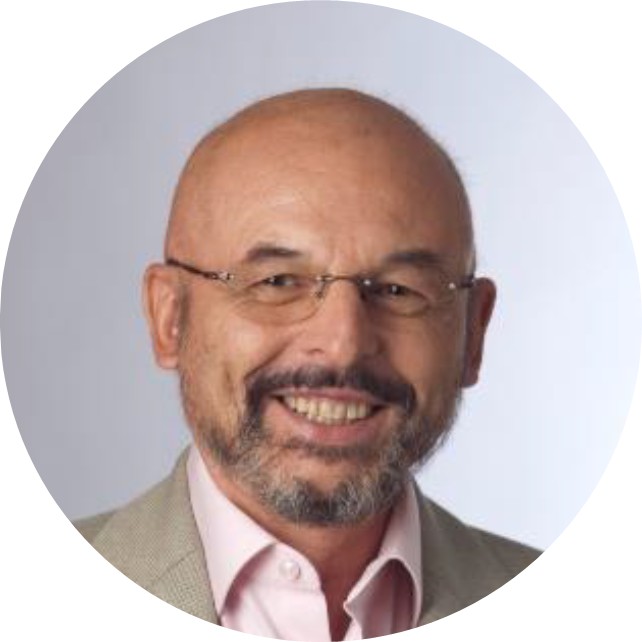
Jean-Paul THIERY, PhD.
DR Emerite
Engineers
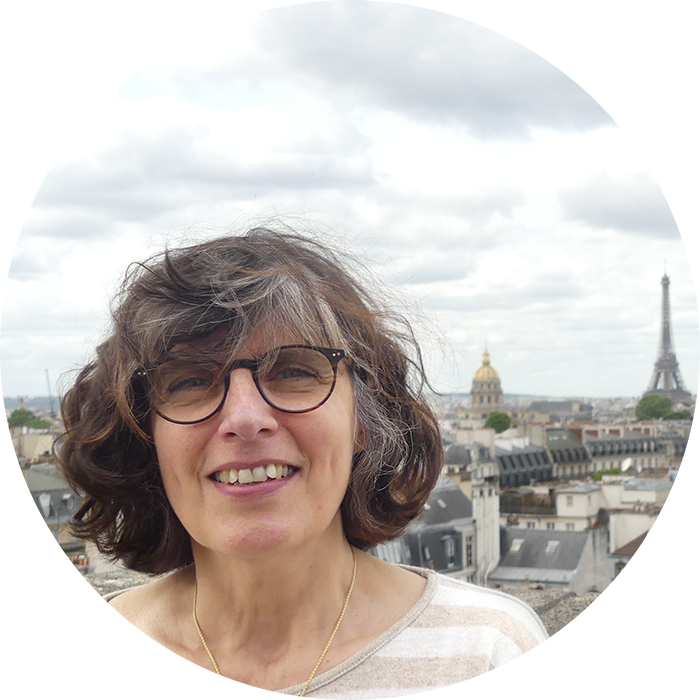
Nathalie LUCIANI, PhD.
IR - UPCité
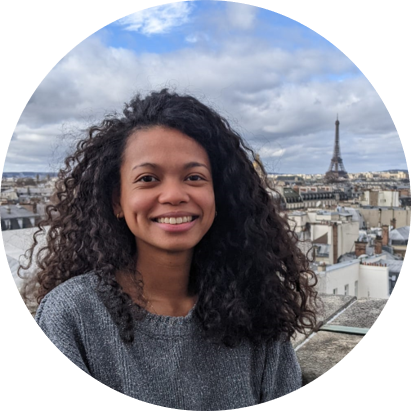
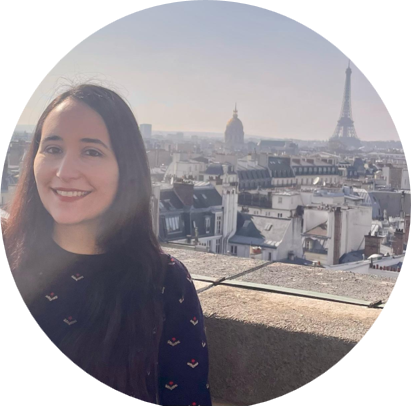
Salwa ABID
IE cdd - UPCité
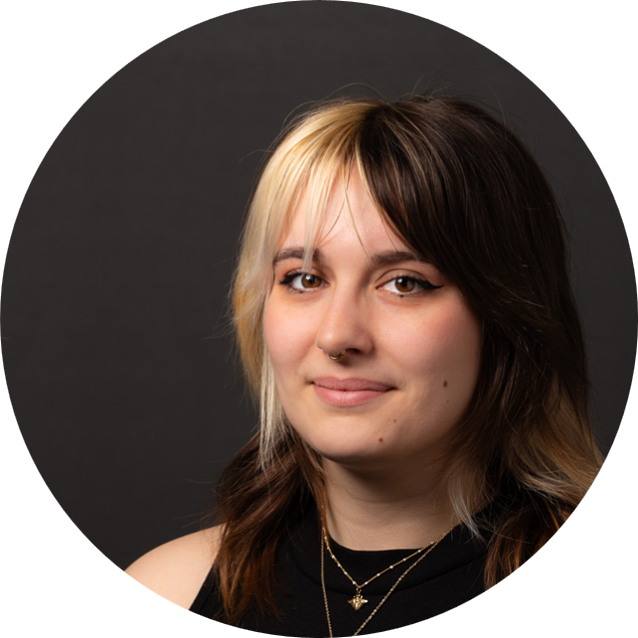
Marie MEUNIER--THAENS
IE cdd - INSERM

Léonie DUCROCQ
IE cdd - CNRS
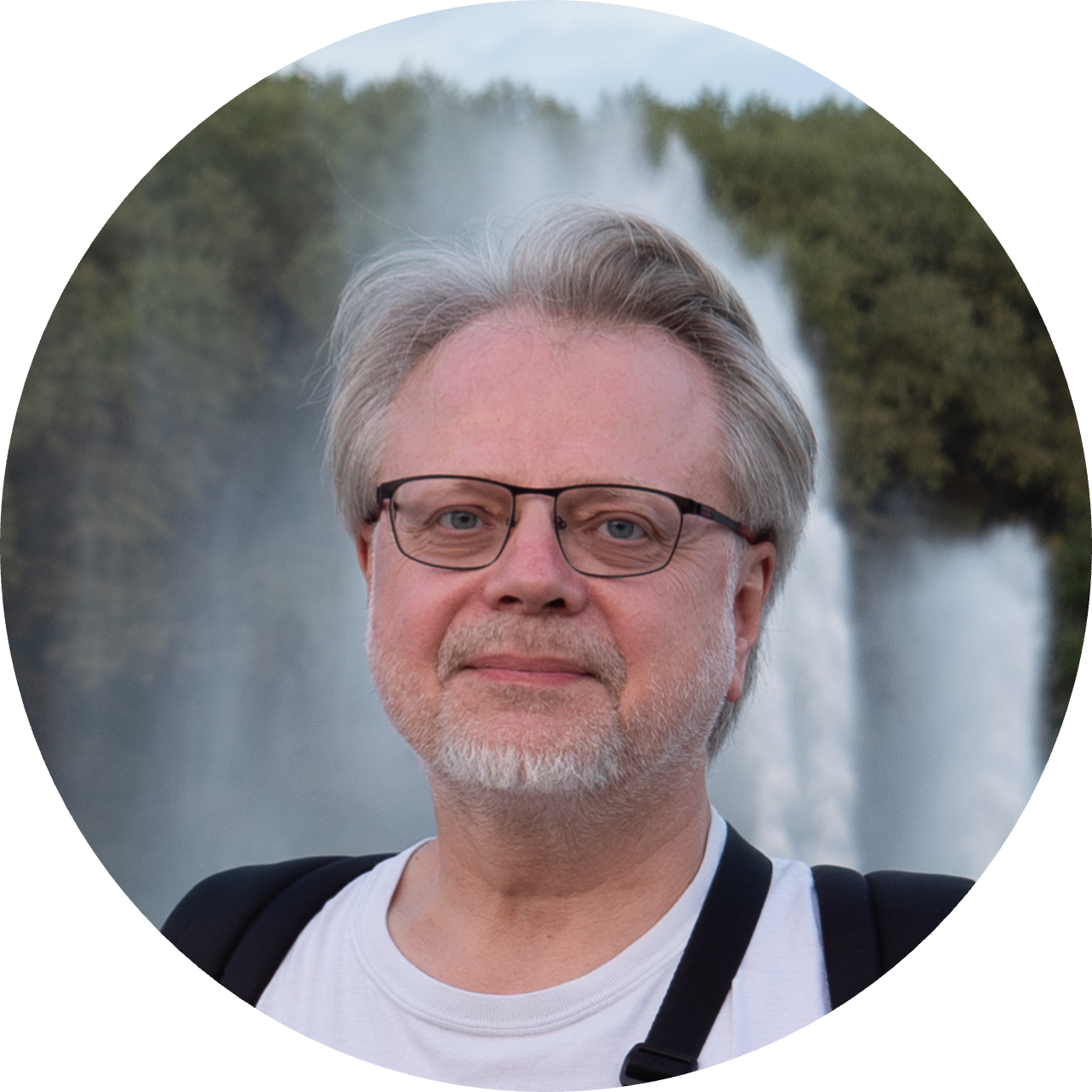

Cynthia CROCHERAY
IE - UPCité
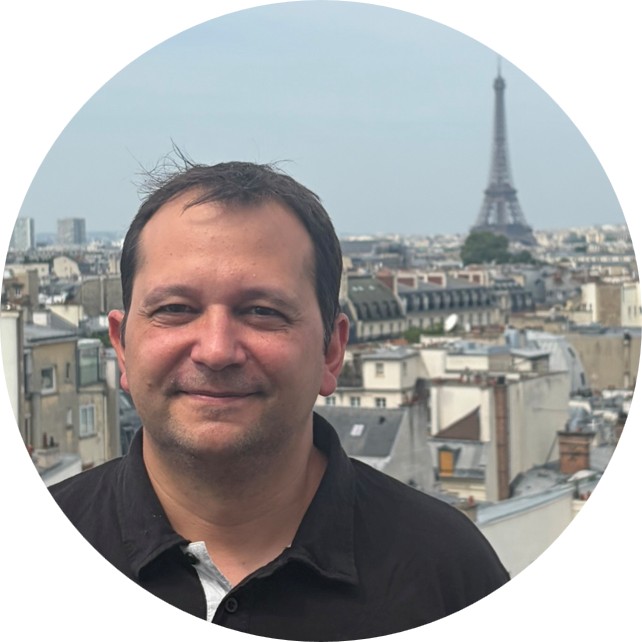
Dominique CATHELIN
IR cdd - INSERM
Imène KEFIF
IE cdd - CNRS
Massine GUETTAB
IE cdd - SU
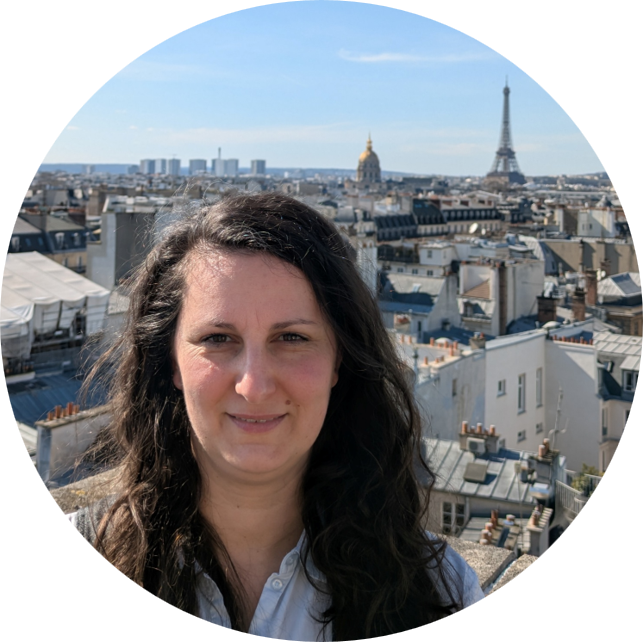
Kelly AUBERTIN, PhD.
IR - UPCité
Maud CHEVE
IE cdd
Ilan DALLANT
IE cdd
Nino COUSIN--MORIN
IE cdd - CNRS
Technical Team
Elie BERDA
AJT, UPCité
Ludovic DUBREUCQ
AI - CNRS
Estelle SURPLY
AI cdd
Christopher RIBES
Technician in Biology, UPCité
Postdoctoral Researchers
Shaghayegh ASKARIAN, PhD.
Postdoctoral Researcher
Sheryl BUI, PhD.
Postdoctoral Researcher
Marion JANONA, PhD.
Postdoctoral Researcher
Stanislas LOISEAU, PhD.
Postdoctoral Researcher
Alice NICOLAI, PhD.
Postdoctoral Researcher
Giulio AVVEDUTO, PhD.
Postdoctoral Researcher
Anna SEBBAGH, PhD.
Postdoctoral Researcher
Sonia BECHAREF, PhD.
Postdoctoral Researcher
Léa JABBOUR, PhD.
Postdoctoral Researcher
Mirko MININI, PhD.
Postdoctoral Researcher
Sylvain CAM, PhD.
Postdoctoral Researcher
PhD Students
Anna SCHREIBER
PhD Student
Camille CALAMIER
PhD Student
Nils BARBE
PhD Student
Tom BELAGE
PhD Student
Juliette GUYARD
PhD Student
Amalie LEINEBO
PhD Student
Oriane LE GOAS
PhD Student
Raul FLORES BERDINES
PhD Student
co-affiliation with Healthfex (UPCité, UMR-S 1124)
Emerick BIAFFEU NEMATCHOUA
PhD Student
co-affiliation with LPP (Sorbonne Université, CNRS, Ecole Polytechnique)
Andrea ESQUIVEL SANCHEZ
PhD Student
Panli YU
PhD Student
Hidaya M'COLO-MARI
PhD Student
Sudanshu Mani TRIPATHI
PhD Student
Agathe DURRINGER
PhD Student
Mariia PESTRIAKOVA
PhD Student
Apprentices
Elif Maya GÜNGÖR
Master Apprentice
Interns
Inthuja LINGANATHAN
Rahama ISSA
Mehdi ABDELLOUCHE
Farah NEDHIF
Taslema Nasrin TANWEE
Manuel NUNES
Abderrahmane ACHOUR
Irène IZERE
Nassim BOUCHERIT
Margaux LEGAIGNOUX
Barbara BARTHOU
Administration Team
Karine BOUFFEL
Responsable Administrative et Financière du laboratoire NABI, IE-CNRS

Cindy FERREIRA-PIRES
Gestionnaire administrative et financière
Visiting Researchers and Students
Alumni (MSC-med & NABI)
Interns
Pierre DE CORDOVEZ (M2)
Anastasiia DUBROVA (M1)
Solène MOREAU (M2)
Brice PICHARD (M1)
Pierre PLATEVOET (M2)
Marine PAPET (M1)
Dikran MEKHJIAN (M2)
Hidaya M’COLO-MARI (M2)
Wei HE (M1)
Honghong ZHU (M2)
Ekaterina KOZLOVA (M2)
Mariia DOROFEEVA (M1)
Yanni MAHIOU (M1)
Isabel CALVENTE (M2)
Camille FORTIN (M2)
Auriane DEBACHE (M2)
Victoria QUESTEL (M2)
Mariia PESTRIAKOVA (M2)
Yacine LAHMER (M2)
Imène KEFIF (M2)
Polina TSETKOVA (M2)
Nils BARBE (M2)
Andréa ESQUIVEL (M2)
Maxime NETO (M2)
Juliette GUYARD (M2)
Christofer Helio PEREIRA DA SILVA (M2)
PhD Students
Stanislas LOIZEAU
Christophe WONG
Sylvain CAM
Nicolas KUSZLA
Jean-Baptiste MATTIONI
Léa JABBOUR
Giluio AVVEDUTO
Sonia BECHAREF
Solène MOREAU
Elise MADEC
Emeline BONSERGENT
Huan CHEN
Shéryl BUI
Augustin GUICHARD
Margaux GLEIZES
Alice GRANGIER
Postdocs
Ronald SARASWAT, PhD.
Mahshid HASHEMKHANI, PhD.
Safa BOUDABOUS, PhD.
Zahra EL AMIR DACHE, PhD.
André CRONEMBERGER, PhD.
Amrutha PRABHAKARAN, PhD.
Sabah MOZAFARI, PhD.
Fabien PICOT, Eng., PhD.
Pierre TAPIE, PhD.
Daniele D’ARRIGO, PhD.
Suryabragmam BUTI, PhD.
Jihad KARAM, PhD.
Kondareddy CHERUKULA, PhD.
Others
Dmitry AYOLLO (IE)
Alice NICOLAÏ (MCF cdd)
Benjamin MARCEL (tech.)
Aruna KUNDURU (tech.)
Sabrina BARBASTE (tech.)
Augustin GUICHARD (Eng.)
Florence GAZEAU – Physicist – Researcher (CNRS) – florence.gazeau@u-pariscite.fr
Florence Gazeau (Physicist, senior CNRS researcher) received her PhD in solid state physics from Université Paris Diderot in 1997. She is CNRS researcher since 1998 and senior researcher (DR1) since 2016. Since 2016, she is deputy director of Matière et Systèmes Complexes Lab, gathering more than 160 peoples at the interface of Physics, Biology, Chemistry and Environment. She has created in 2019 and still animate the MSC Med antenna dedicated to medical translational research and bioengineering innovation on the Campus Saint Germain site, regrouping about 40 peoples from different disciplines, together with 2 spin-off companies and the expertise platform IVETh dedicated to extracellular vesicles and nanovectors. She is author of 180 international publications in high impact factor interdisciplinary journal (ACS Nano, PNAS, Nanoletters, JACS, Biomaterials, Radiology, Advanced Materials, Advanced Functional Materials, ELife, Magnetic Resonance in Medicine …) with more than 15 000 citations and a factor h of 63 (https://scholar.google.com/citations?hl=fr&pli=1&user=shPWptkAAAAJ) ou (Orcid 0000-0002-6482-3597). She is co-inventor of 8 patent applications, 4 of which have been licensed to spin-off companies EVerZom and EVORA Bioscience, from which she is scientific adviser and co-founder, respectively. She gave more than 50 invited talks at conferences. Her work has established an internationally recognised research group in biomedical applications of nanoparticles (Cell tracking by MRI, Magnetic and photothermal therapy, tissue engineering), nanotoxicology, life cycle and long term fate of inorganic nanoparticles, nanometrology, mecanobiology of cancer and drug delivery and regenerative medecine with biological or bioinspired vesicles. She has been involved in 5 european projects (FP7,H2020 collaborative, Fet Open, MSCA Doctoral Network starting in 23) and more than 20 national projects (ANR, Anses, Sesame IDF, Sesame PIA Filière, INCA, IdEX UParis, LabEX Seam, ITMO Cancer, MITI CNRS, Prematuration CNRS and UPCité…).
Amanda SILVA BRUN – Pharmacist & Biologist – Researcher (CNRS) – amanda.brun@u-paris.fr
Amanda K. A. Silva (Pharmacist, CNRS researcher) obtained a PhD on Pharmaceutical Technology in 2008 and a second PhD in Cellular and Molecular Biology in 2010. In 2013, Amanda obtained a tenured CNRS researcher position in France. She works at Laboratoire Matière et Systèmes Complexes (MSC, UMR 7057) at Université Paris Cité, mainly focusing on high-performance approaches for (i) extracellular vesicle (EV) production based on a turbulent flow stimulation directly in bioreactors; (ii) EV loading for anti-tumor therapy as well as (iii) EV administration in a hydrogel for regenerative medicine (fistula therapy and esophageal stricture prevention). This research set the basis and the patent portfolio (4 licensed patent applications) for founding 2 spin-offs: EverZom (a bio-production start-up – 16 employees) and Evora Bioscience (a biotherapy start-up – 6 employees). Amanda actively contributes to them as chief scientific officer (CSO). Amanda was awarded the CNRS Innovation Medal in 2021 and “Prix des innovateurs en santé” from Région Île-de-France in 2020. Amanda is the Vice-President of the French Society for Nanomedicine (SFNano). Amanda has recently launched and co-coordinated the group “Extracellular Vesicle translatiOn to clinicaL perspectiVEs – EVOLVE France” together with a clinician colleague to address regulatory issues on EV-based biotherapies. Amanda coordinates with Ariel Lindner the associative project DIM Bioconvergence pour la Santé (12.5 M€) structuring and accelerating innovation on bioproduction, biotherapies and synthetic biology at Region Ile de France. Amanda published 67 papers. Her current research projects on EV bioengineering are funded by an ERC grant (1.5 M€) and by the Grand défi Biomédicament grant (1.4 M€) she coordinates. She is currently carrying out a mission assignment at UNESCO.
Jean-Marc DI MEGLIO – Physicist – Professor (UPCité) – jean-marc.dimeglio@u-paris.fr
Graduated from ESPCI, Jean-Marc Di Meglio obtained a PhD in physical sciences at the Pierre-et-Marie-Curie University in 1984 studying microemulsions and films of surfactant molecules using ESR. He then worked on colloidal crystals at the ExxonMobil research center as a research assistant at the University of Pennsylvania before joining the CNRS in 1985 as a research fellow in the laboratory of Pierre-Gilles de Gennes at the Collège de France where he studied wetting and capillary phenomena. In 1994, he was appointed professor of physics at the University of Strasbourg and researcher at the Charles Sadron Institute. He is interested in soap films, bubbles, foams, granular matter, polymer physics, colloids and vesicles (experimental soft matter). Since 2002, he has been a professor at Paris Diderot University (now University of Paris) where he was the first director of the Complex Matter and Systems laboratory (MSC) from 2005 to 2009. He now focuses his research on biomechanics and more precisely in the MSC-med lab on the:
– study of the locomotion of nematode worms versus age and environment;
– micromanipulation of biopolymers using AFM;
– development of frugal physics instrumentation, in particular for the behavioral analysis of mice and worms.
Gregory LAVIEU – Biologist – Researcher (INSERM) – gregory.lavieu@inserm.fr
Grégory Lavieu, cell biologist expert in membrane trafficking.
G. Lavieu is currently an INSERM researcher, at the head of ERL U1316, holder of a Chair of Excellence from Paris Cité University, and conducts his research in the UMR7057 / MSC laboratory.
Previously, he identified and characterized a new mode of transport dedicated to the trafficking of macromolecules within the Golgi apparatus, an intracellular sorting station.
More recently, G. Lavieu and his research group have undertaken to characterize at the cellular and molecular levels the intercellular transport mediated by extracellular vesicles (exosomes) and to identify the machinery essential to this cellular function.
Stéphanie MANGENOT – Physicist – Professor (Université Paris Cité) – stephanie.mangenot@u-paris.fr
Trained as a physicist, I am now a biophysicist working at the interface of physic and biology. During my Phd in Orsay, (Lab. de Physique des solides; F. livolant), and my post doc in Munich (LMU, LS Raedler), I was mainly interested in understanding the organisation of dense DNA either in bacteriophage or in Eucaryotic nucleus. I have by appointed Assistant professor, at the University of Orsay, where I was interested in understanding the dense phase of isolated nucleosome core particle and chromatin using in vitro approaches. I then joined, the Curie Institut, Laboratoire Physico Chimie Curie, were I started new research subjects. I first studied the conformation of membrane proteins with AFM and scattering technics and then I studied membrane trafficking. Since 2020, I joined, the MSCmed lab, where I start new research subject focusing on understanding the uptake of EV by the host cell. During all my research subjects, I always used in vitro systems, which allows a precise control of all the important physical parameters.
Vincent FLEURY – Physicist – Researcher (CNRS) – vincent.fleury@u-paris.fr
Vincent Fleury (born 20 december 1963) is Directeur de Recherches au CNRS. He owns a degree from the Ecole Polytechnique (84), where he also did a PhD thesis in electrochemical growth of metallic dendrites. His first interest was in physics of morphogenesis of branching structures. After his thesis, he turned to biophysics of development. He studies several aspects of development : embryo as a whole, and organ development, but also vascular development and remodeling. His current interests are in the physics of vascular pathologies, and in the regeneration of organs and limbs. While entire regeneration is still a remote challenge, the current interest in the lab is to stimulate existing organs, while not regenerating entirely new organs ex nihilo. The current projects (with financement from the Fondation CNRS) include attempts to accelerate jaw and limb growth by electrical stimulation, in order to improve the health of children with hypoplasic (too small) jaws or fingers. Other projects include in vivo studies of vascular remodeling around cancerous tumors, especially in the chicken chorio-allantoïc membrane, but also in mice.
Hugo SALMON – Physicist – Assistant professor (MCF UPCité) – hugo.salmon@u-paris.fr
Myelination and Nervous system pathologies and Physics advanced instrument (NABI)
Education
Engineer from Ecole Centrale de Lille, agrégé in Mathematics PhD in physics from Université Paris Saclay.
Research interests
- Thermoplastic microfluidics for analytical and organ on chip applications
- Modeling myelination, demyelination and remyelination processes in microphysiological sytems
- Extracellular vesicles interaction with myelin (transport, phenotyping and potency tests)
- Analytical techniques for physicochemical characterization of nanoparticles
Teaching
Mechanics, thermodynamics, microphysiological systems, mathematical modeling, design and fabrication, statistics, project management, improv.
Staff of the international Master’s program in Biomedical engineering
Contact
Idhal: hugosalmon
ORCID: 0000-0002-5486-1370 Profil Google scholar
Julia DANCOURT – Biologist – Assistant Professor (MCF – Université Paris Cité) – julia.dancourt@ext.inserm.fr
soon
Olivier BLANC-BRUDE – Biologist – Researcher (CNRS) – olivier.blanc-brude@u-paris.fr
I am a biomedical researcher dedicated to Extracellular Vesicles, cell particles that are exchanged between organs and cells via body fluids, and found in blood.
I trained at Yale (USA) and UCL (UK), with 20 years of experience at Inserm (ParCC). As a CNRS researcher, I am based at the NABI Lab.
Core expertise: Personalized medicine, Biomarkers of health and disease, Cell biology and biochemistry, Multi-parametric characterization of vesicles.
Specific interests: Red blood cell disorders, Blood coagulation disorders, Blood transfusion, Dyslipidemia/Diabetes/Obesity, Cardiovascular disorders and inflammation.
Skills: Team leadership, Interdisciplinary dialogue, Project management, Evidence-based research, Translational bench-to-beside development, Teaching and Mentoring.
Objectives: 1/ Innovation: Develop novel therapeutics in Sickle cell disease, 2/ Discovery: Establish novel procedures in blood disorders and blood transfusion, 3/ Service: Structure a strong biomarker discovery axis at the IVETh platform (RIBB integrator).
Societies: FSEV Secretary/6 years, ISEV member, SFH, CGRF, GREx and EVOLVE contributor.
Anne BAUDOT – Physicist – Assistant Professor (MCF – Université Paris Cité) – anne.baudot@parisdescartes.fr
My research activities began after completing an engineering training in physics (ENSPG/INPG, Grenoble). I am a physicist working in cryobiology, at the interface between physics and biology. The objective of my PhD (CRTBT/CNRS, Grenoble) was to determine the vitrification conditions of cryoprotective solutions, using differential scanning calorimetry, and to measure their dielectric permittivity, with the goal of developing an electromagnetic‑wave heating procedure. From 1998 to 2010, I was an assistant professor at Joseph Fourier University (Grenoble). My research remained focused on studying and implementing vitrification procedures for organ cryopreservation. In 2010, I joined Paris Cité University for my teaching activities. Between 2010 and 2024, I was affiliated with LVTS Laboratory (UMRS 1148) where I worked on optimizing slow‑freezing techniques and I also investigated glass fragility. Since 2025, I have been affiliated with NABI Laboratory (CNRS UMR 8175, INSERM U1334). I am currently conducting research on the cryopreservation of emerging extracellular vesicle and mitochondrial biotherapies. I combine differential scanning calorimetry and cryostage microscopy to optimize slow freezing and vitrification procedures, and I test new biocompatible antifreeze agents.
Lucile ALEXANDRE – Biophysicist, CNRS Researcher – lucile.alexandre@u-paris.fr
I am a biophysicist researcher specializing in extracellular vesicles. My academic journey encompasses a foundation in theoretical physics and a degree in Physics of Complex Systems, complemented by a foray into humanities with a master in History and Philosophy of Sciences. Broadening my horizons, I gained valuable experience working as a scientific manager at the French Embassy in the USA. During my Ph.D., supervised by Prof. Stéphanie Descroix, I focused on advancing biomarker extraction through the development of a dynamic microfluidic filter. As a postdoctoral fellow, I was awarded an MSCA fellowship to realize my own project, between Canada and France on the extraction and characterization of extracellular vesicles. This new expertise led me to join the team of Prof. Florence Gazeau at MSC-Med, where I contribute to the loading of extracellular vesicles for the PEPR CARN project.
Jean-Paul THIERRY – Biologist – Emeritus Research Director (CNRS) – tjp@visitor.nus.edu.sg
Jean Paul Thiery is a CNRS emeritus research director at NABI. He is the chief scientific officer at NomoCan Pharmaceuticals, New York. He is also the chief scientist at Guangzhou Medical University, the first-affiliated hospital, in the department of thoracic surgery, headed by Prof Jianxing He. Jean Paul Thiery’s postdoctoral research with Nobel Laureate Professor Gerald Edelman at the Rockefeller University in New York led to the discovery of N-CAM, the first intercellular adhesion molecule identified to contain immunoglobulin domains. Returning to France, he successively headed laboratories at the Institute of Developmental Biology of the College de France in Paris and then at the Ecole Normale Supérieure ULM. In 1995, he became the Inaugural Director of the Department of Cell Biology and subsequently the Founding Director of the Translational Research Department of the Institut Curie Comprehensive Cancer Center. In 2006, he moved to Singapore as a Research Director at the Institute of Molecular Cell Biology, A*STAR, Singapore, and as a senior Principal Investigator at the Cancer Science Institute. In 2012, he became Professor and Head of the Department of Biochemistry at the National University of Singapore School of Medicine. He has worked at the Guangzhou National Laboratory, headed by Prof. Zhong Nanshan. Until 2025, he served as the chief scientist at Biosyngen, a cell-based immunotherapy biotech in Guangzhou. His influential works include pioneering studies on cell adhesion and migration during early embryogenesis, as well as elucidating the roles of growth factors and adhesion signaling molecules in Epithelial-Mesenchymal Transitions (EMT). Jean-Paul Thiery is credited with being one of the first to propose that EMT controls the invasion and dissemination of carcinoma cells. The reverse process, MET, is required for the development of clinically detectable metastases in carcinoma. Jean Paul Thiery’s current research focuses on resistance mechanisms driven by intermediate EMT states in carcinoma and on strategies to restore therapeutic response. Jean-Paul Thiery is a corresponding member of the French Academy of Sciences and Academia Europaea. He is also an EMBO and AACR member. Jean Paul Thiery is a knight of the National Order of Merit and the National Order of the Legion of Honor, France. His H-index is 135.
Nathalie LUCIANI – Biologist – Research Engineer (UPCité) – nathalie.luciani@u-paris.fr
soon
Kelly AUBERTIN – Physicist – Research Engineer (UPCité) – kelly.aubertin@u-pariscite.fr
I am a (bio)physicist working at the interface of physics, biology and medicine.
I did a PhD at the Laboratoire MSC (Université Paris Cité, Paris – France) in Cell Mechanics looking at the robustness of intracellular trafficking and viscoelastic properties to mechnical stress or cancer treatment. I did my first postdoc in biomedical imaging using Raman spectroscopy as a diagnostic tool for prostate cancer (CRCHUM, LRO Montréal – Canada) and a second postdoc within an INSERM Unit (Goetz Lab, Strasbourg – France) investigating the relation between cell viscoelasticity and metastatic aggressiveness. At NABI, I am a research engineer. I launched and supervised as the chief scientific director the IVETh facility focused on the production, the engineering, and the characterization of extracellular vesicles. Now, I am focusing on developing the biomolecular characterization of extracellular vesicles using Raman spectroscopy and developping multimodal analytical approaches using Machine Learning for diagnostic or quality control applications.
Sergei KRUGLIK – Physicist – Research Engineer (Sorbonne Université) – sergei.kruglik@sorbonne-universite.fr
Research Engineer at Sorbonne University, visiting researcher at UPC/NABI/IVETh with a collaborative project on Raman Tweezers Microspectroscopy (RTM) of extracellular vesicles.
Sergei is the author of RTM technique for nanoscale bioparticles characterization, expert in all types of Raman spectroscopy. He has more than 30-years’ experience of scientific research in leading laboratories in Japan, The Netherlands, Canada, and France. Sergei is the author of more than 80 scientific papers in peer-reviewed journals; the areas of his expertise include Laser Physics, Physical Chemistry, Optical Spectroscopy, Time-resolved Spectroscopy, Biophotonics, Medical Diagnostics and Imaging, Biomolecular Vibrational Analysis, Biomembranes, Extracellular Vesicles and other Nanoscale Bioparticles, Molecular Transport and Drug Delivery.
More information can be found at: https://www.sk-science.info
Sarah RAZAFINDRAKOTO – Biologist – Engineer (UPCité) – sarah.razafindrakoto@u-paris.fr
I am a biologist working at the interface of biology, chemistry and nanomedicine, with a particular focus on extracellular vesicles (EVs) for therapeutic applications. I hold a Master’s degree in Integrative Physiopathology, during which I investigated the degradation of magnetic nanoparticles in mouses’ tissues bearing pancreatic tumor (Laboratoire MSC, Paris – France). I further developed my expertise during an internship at EVerZom (Paris – France), where I worked on the optimization of stem cell culture on microcarriers for EV production, as well as on EV isolation by Tangential Flow Filtration (TFF).
At NABI, I now serve as Scientific and Operational Manager of the IVETh facility . In this role, I oversee the scientific strategy and technological development of the platform, lead and coordinate the technical team, and drive the expansion of our service offerings to both academic and industrial partners. My research activity is centered on developing integrated methods for EV production, isolation and characterization. The aim is to establish robust links between physicochemical properties and biological activity across a broad spectrum of vesicle types, including human, bacterial and fungal-derived vesicles. I am also committed to fostering interdisciplinary collaborations and to positioning IVETh as a key resource for the EV scientific community at the european level.
Fahima DI FEDERICO – Engineer (CNRS) – fahima.di-federico@u-paris.fr
Après une première expérience à l’INRA, j’y ai développé mes compétences en microbiologie et construit mes bases scientifiques en recherche appliquée. J’ai ensuite été recrutée au CNRS en tant qu’experte en biologie moléculaire à l’Institut Curie, où mes travaux se sont principalement tournés vers des thématiques liées à la cancérologie.
J’ai poursuivi mon parcours à l’Institut Pierre-Gilles de Gennes, où j’ai approfondi mon expertise en microfluidique, en développant à la fois des compétences techniques et une vision plus intégrée des approches expérimentales innovantes.
En 2023, à la suite d’une mobilité, j’ai rejoint l’unité NABI afin d’évoluer vers un poste de responsable marketing et business development pour IVETh. Cette transition s’est appuyée sur un Executive Master en marketing, management et business development à HEC Paris, une formation structurante qui m’a permis de conjuguer rigueur scientifique, stratégie et développement de projets innovants.
Aujourd’hui, je poursuis mon développement professionnel par un élargissement de mes champs d’action vers des missions de responsable partenariats et financement de l’innovation.
Marie MEUNIER – Biologist – Engineer (INSERM) – marie.meunier-thaens@inserm.fr
I’m a biologist working here at the NABI lab, in the cancer research section in Laura Fouassier’s team.
I have a master degree in Immunology and infectious diseases and during my internships I worked on several inflammatory diseases through different techniques from cell culture (2D and 3D) to molecular biology and immunology-based analysis (cytometry, immunohistology…).
In Laura Fouassier’s team, I’m assisting in developing potential bio-physical treatments for cholangiocarcinoma using different in vivo and in vitro models.
Imène KEFIF – Biologist – Engineer (CNRS) – imene.kefif@cnrs.fr
After completing a Master’s degree in Integrative Biology and Physiology, specializing in Nutrition, Energy Metabolism and Signaling, at Université Paris Cité, I joined the NABI laboratory for my final-year internship. My work focused on the characterization of extracellular vesicles in the context of fetal cytomegalovirus diagnosis, a project that sparked my interest in the diagnostic potential of these nanoparticles.
Currently an Engineer at NABI, I work in Kelly Aubertin’s team on the characterization of extracellular vesicles and on the identification of disease-specific biomarkers in various pathological contexts. Using innovative approaches such as Raman spectroscopy and Videodrop technology, I explore how extracellular vesicles can contribute to the development of novel diagnostic tools.
Through this work, I aim to contribute to the development of more precise and accessible diagnostic approaches for clinical applications.
Dominique CATHELIN – Biologist – Research Engineer (INSERM) – dominique.cathelin@inserm.fr
PhD-trained immunologist with 15+ years of experience, specializing in human immunology, inflammation, and translational research.
My career spans tumor immunology, cancer immunotherapy, kidney autoimmune diseases, complement-targeted therapies, and HIV-related inflammation, supported by multiple competitive fellowships (Ligue contre le Cancer, ARC, Danish Cancer Society, EMBO/ERA-EDTA, ANRS). I also bring nearly five years of industry experience as a project manager in Inovarion company collaborating with leading Paris-based research institutes.
I currently focus on mucosal immune regulation in the Mucosal Viral Immune Responses (MuVIRep) Team of the NABI lab (Inserm/CNRS/Université Paris Cité).
Ilan DALLANT – Biologist – Engineer (UPCité) – ilan.dallant@u-paris.fr
Salwa ABID – Biologist – Engineer (UPCité) – salwa.abid@u-paris.fr
I am an engineer in biochemistry, molecular and cellular biology. I have a Master’s degree in cellular engineering and I performed two 6-month internships in Team 2RCT, a research laboratory specializing in the study of receptors involved in tumor progression, at the University of Poitiers.
My first professional experience as a biological engineer was in the team 2 of the INSERM U1131, so that I studied the effects of various chemical compounds on the EBNA1 protein of the Epstein-Barr virus (EBV) to develop new therapies against EBV-related cancers.
After that, I worked as a biological engineer within team 1 of INSERM U970 at Paris Cardiovascular Research Center (PARCC). I Studied the circulating extracellular vesicles, intravascular hemolysis and phosphatidylserine inhibitors during thrombosis. I, also, studied the effect of large extracellular vesicles (lEV) from the plasma of coronary artery diseases patients on endothelial apoptosis in vitro.
Besides that, I worked within Team 16 of INSERM U955 at the Mondor Institute of Biomedical Research in an engineering position focused on studying hair follicle stem cells from skin biopsies to identify biological markers and better characterize patients suffering from hidradenitis suppurativa (Verneuil’s disease).
Currently, I’m a biological engineer at Nabi lab and I’m focused on the Development and optimization of the extracellular vesicle (EV) production process by turbulence on Breg GZMB+ cells, characterization of the producer cells during the process and the produced EVs (concentration, physicochemical and phenotypic properties) using various methods (NTA, NanoFCM, A4F).
Maud CHEVE – Biologist – Engineer (INSERM) – maud.cheve@inserm.fr
I am an engineer in cell biology. I did my M2 internship in Gregory LAVIEU’s team. During my master trainee, I worked on the impact of the Wnt pathway in extracellular vesicles (EV) uptake and their fate in the acceptor cells. I did mainly cell culture, EV isolation by ultracentrifugation and uptake assays on acceptor cells.
At the end of my trainee, I was hired as an engineer in Gregory LAVIEU’s team since august 2024. Currently, I am working on a new project. The goal is to make a massive production of therapeutic EVs with a targeting system. To measure the targeting and killing efficiency, the project includes some in vitro and in vivo tests.
Léonie DUCROCQ – Biologist – Engineer (CNRS) – leonie.ducrocq@u-paris.fr
I recently graduated from AgroParisTech (Université Paris Saclay) with a degree in Biotechnology and Human Health Engineering, and oriented my path towards cell biology research, building on several academic and private laboratory experiences. These allowed me to develop a solid expertise in cell culture across diverse contexts, from 2D models including the bioengineering of primary human mammary cells for the bioproduction of human breast milk at Nümi (Paris), to three-dimensional systems such as organoids, through the culture, optimization and characterization of thyroid cancer models at the IRIBHM (ULB, Brussels). I am now working as a research engineer at Nabi under the supervision of Lucile Alexandre and with Panli Yu. I focus on the engineering and bioproduction of extracellular vesicles loaded with mRNA to investigate their potential as therapeutic delivery systems.
Estelle SURPLY – Biologist – Assistant Engineer (CNRS) – estelle.surply@cnrs.fr
I obtained my BTS in biotechnology at the Lycée Pierre Gilles de Gennes – ENCPB.
For 1 year I worked as a laboratory technician in quality control in a food company.
Now I’m an assistant biology engineer in charge of production, isolation and characterization of extracellular vesicles in the MSC Med laboratory. I also provide services for the IVETh platform.
Christopher RIBES – Biologist – Technician (UPCité) – christopher.ribes@inserm.fr
soon…
Alice NICOLAÏ – Data scientist – Postdoctoral researcher – alice.nicolai@u-paris.fr
Shaghayegh ASKARIAN – Cell Biologist, Postdoctoral researcher – shaghayegh.askarian-amiri@u-paris.fr
Marion JANONA – Postdoctoral Researcher, Sorbonne Université – marion.janona@inserm.fr
I’m a young researcher passionate about cancer biology, affiliated to Laura Fouassier’s team. I defended my thesis in 2023 on cellular signalings involved in the pathophysiology of hepatocellular carcinoma, the main form of liver cancer. I choose to specialized in liver cancer biology by currently working on cholangiocarcinoma, the second type of liver cancer. My postdoctoral research is done within the European IgnitePlasma Consortium and aim to develop a new type of therapy against solid cancers name the cold atmospheric plasma (CAP). Together with our physicist collegues, we are trying to better understand the effectiveness of CAP (how does it works) and to make it safe and selective to cancer cells.
Sonia BECHAREF – Biologist, Postdoctoral Researcher – sonia.becharef@u-paris.fr
My career is a bit special. I was trained as a biologist and obtained a BTS in biotechnology followed by a bachelor degree in Bioinformatics in apprenticeship with the compagny Sanofi (Marcy-l’Etoile). After obtaining my degree, I worked as a technician at the Gustave Roussy Institute for 3 years. During this professional experience I developed my skills in cellular biology, molecular biology and animal experimentation. 3 years later, I decided to continue my studies with a Master’s degree in biology, health and ecology at the “Ecole Pratique des Hautes Etudes”, still working in apprenticeship at Sanofi (Vitry-sur-Seine). Wishing to continue working in the pharmaceutical industry, I continued my studies in a CIFRE thesis with the company “Nanobactérie” and the laboratory MSC-Med. I am currently working on cholangiocarcinoma, a biliary tract cancer highly resistant to chemotherapy and immunotherapy due to the presence of a dense collagen matrix produced by cancer associated fibroblasts (CAFs). First, the objective of my work is to use nanoparticles with heating properties when activated with an excitation source to destroy the collagen matrix.
Sheryl BUI – Biologist and Medical Resident, Postdoctoral Researcher – sheryl.bui@etu.u-paris.fr
I am a postdoctoral researcher currently pursuing a dual MD-PhD curriculum supported by the École de l’Inserm Liliane Bettencourt. I earned my PhD in Cellular and Molecular Biology in 2023, specializing in the bioengineering of extracellular vesicles (EVs) for the transport of therapeutic molecules and precision cell targeting.
My research in the field of drug delivery has been patented and published in peer-reviewed journals, and was recognized with the prestigious L’Oréal-UNESCO For Women in Science Award in 2024.
Alongside my research, I am completing my medical studies and will begin my medical residency in November 2026. My career objective is to bridge the gap between fundamental bioengineering and innovative clinical applications.
Mirko MININI – Biologist, Postdoctoral Researcher, INSERM– mirko.minini@inserm.fr
I am a research scientist in the Fouassier team at NABI, Université Paris Cité. Driven by curiosity and collaboration, I explore how cancer-associated fibroblasts, the extracellular matrix, and immune cells interact to shape therapy resistance. By developing advanced animal-free models and using cutting-edge approaches, my work aims to unravel tumor complexity and foster innovative immunotherapeutic strategies.
Anna SEBBAGH – Postdoctoral researcher
I am a medical student interested in regenerative medicine and tissue engineering for hepato-gastroenterology applications. During my previous internships, I have worked on a liver-on-a-chip model (Laboratoire BMBI, Compiègne, France) and on microbial interactions in the dysbiosis of inflammatory bowel diseases (Microbiote, Intestin et Inflammation team, CRSA, Paris, France). At MSC-Med, I am working under the supervision of Amanda Silva Brun and Gabriel Rahmi on the development of in vitro and ex vivo potency tests to characterize and compare the potential of extracellular vesicles from different sources for the treatment of inflammatory bowel diseases.
Giulio AVVEDUTO – Postdoctoral researcher
I am a physicist and nanotech engineer studying the dynamics of nanomaterials at the interface of biological environment.I concluded my Master in Nanotechnologies for ICT at Politecnico di Torino (IT) and a master in Quantum Devices at Paris VII with a thesis on multifunctional nanovector for drug delivery remotely activated.
I am currently studying the fate of metallic and non-metallic nanomaterials in biological environment (in vivo/ in vitro) focusing maining on the central role of lysosomal sequestration and lysosomal stress induced by the accumulation and long term persistence. Given the multidisciplinary background I developed, I combine cutting edge techniques (such as HRTEM, Raman Microscopy) for biological purposes with innovative approaches.
Léa JABBOUR – Postdoctoral researcher – lea.jabbour@u-paris.fr
I am a biologist who graduated from the BioMedical Engineering Master program (BME Paris) in which I specialized in biomaterials. I did my first internship in Singapore (National University of Singapore, 2020) in which I got familiarized in the use of exosomes derived from MSC for cartilage regeneration in an osteoarthritic joint. During my second internship at MSC-Med (Paris, France, 2021), I got to assess the therapeutical properties of extracellular vesicles derived from MSC through a 3D in vitro alveolar model of inflammation. In the continuum of my internship at MSC-Med, my PhD thesis will consist on the production and the characterization of the anti-inflammatory properties of EV from ADSC produced from turbulence in the case of alveloar inflammation and intervertebral disc degeneration.
Hidaya M’Colo-Mari – PhD student (supervisors : Stéphanie Mangenot, Aurélie Bertin (PCC lab, Curie Institute) – hidaya.mcolo-mari@etu.u-paris.fr
I am a biophysicist by training, working on a PhD project at the interface of physics and biology. After obtaining a bachelor’s degree in Physics and Chemistry at Reims Champagne-Ardenne University, I pursued a Master’s degree in Physics for living systems at Toulouse-III Paul Sabatier University. During this later, I studied different approaches to investigate biological entities from a physics point of view, at different scales.
I am now working on the interplay between Septin, the fourth cytoskeletal protein, and ESCRTs, a scission machinery, using an in vitro approach and different imaging technics (Confocal microscope, Cryo-EM, SEM). The bottom-up approach simplifies the complex reality in which those proteins function, while providing an experimental control of the Physicochemical parameters, with the purpose of retrieving information that might be relevant in the crucial Septin-ESCRT interplay during cytokinesis.
Anna SCHREIBER – PhD student (supervisors : jean-Marc Di Meglio, Hugo SALMON) – anna.schreiber@etu.u-paris.fr
I am an engineer specialized in bioengineering, currently pursuing a PhD between the NABI and UTCBS laboratories under the supervision of Jean-Marc Di Meglio (NABI), Hugo Salmon (NABI, Healthfex) and Johanne Seguin (UTCBS). My project focuses on the development of a microfluidic platform for the high-throughput production of spheroids, intended for the screening of chemotherapeutic and immunotherapeutic molecules against colorectal cancer. My work includes the microfabrication of a thermoplastic chip, 3D culture of spheroids, as well as imaging and analysis of their structure and behavior in response to treatments. I also focus on optimizing their tumor microenvironment.
Camille CALAMIER – PhD student (supervisor : Vincent Fleury) – camille.calamier@etu.u-paris.fr
Amalie LEINEBO – PhD Student (supervisors: Florence Gazeau)
I am a doctoral student at the MSC-Med working with nanoparticle-induced hyperthermia by dual optical and magnetic stimuli for tumor therapy, investigating the multiscale biological effects of nanoparticle-induced hyperthermia, multi-modal imaging and the combination of hyperthermia and CAR-T-cell immunotherapy in melanoma tumors. I am very enthusiastic about the prospect of using nanotechnology to improve current therapeutic approaches and to develop novel strategies for disease treatment.
I have a master’s degree in Nanotechnology with specialisation in Bionanotechnology from the Norwegian University of Science and Technology, finishing my studies in June 2023. For my Master’s thesis, I conducted research on electrochemical enzymatic biosensors for detection of lactate, with the overall aim of integrating the biosensors into wearable devices to be used for continuous monitoring of lactate in the sweat of endurance athletes. I have also completed one year of medical studies at the University of Oslo.
Sylvain CAM – Postdoctoral Researcher – sylvain.cam@u-paris.fr
I am a biotechnology engineer interested in regenerative medicine and applications of microfabrication technologies to biological sciences.
I graduated from ESPCI Paris as an engineer willing to foster the crosstalk between academical research and industrial applications. I then followed the Life Science Engineering Master at EPFL where I could go deeper on subjects which passionate me such as stem cells, tissue engineering or microfluidics. During my master thesis, in the French start up 4DCell, I developped a spheroid assay by designing hydrogel microwells.
I am now working on the caracterisation and separation of extracellular vesicles to gather a better undertanding of these complex biological objets. I will also invstigate on how vesicles can be loaded with a therapeutic agent in an efficient way.
Raul FLORES BERDINES – Postdoctoral Researcher (Supervisor: Hugo SALMON, co-affiliation with Healthfex, UMR-S 1124) – raul.flores-berdines@u-paris.fr
I am a biotechnology engineer specialized in bioprocesses and microfluidics, currently pursuing a Ph.D. in Neurosciences at NABI and Healthfex under the supervision of Pr. Sophie Bernard (Healthfex) and Dr. Hugo Salmon (Healthfex & NABI). My project focuses on developing analytical tools to study Schwann cell-derived extracellular vesicles, including microfluidic systems to assess their potency.
Education
Ph.D. in Neurosciences (2023–ongoing) – Université Paris Cité
M.Sc. in Material Sciences, Microfluidics (2021–2022) – Université PSL
B.Sc. in Biotechnology Engineering (2014–2019) – Tec de Monterrey
Research Interests
Microfluidic systems for organ-on-chip
In vitro PNS myelination
EV role and interactions within the PNS
EV isolation and characterization
Stanislas LOISEAU – Postdoctoral Researcher – stanislas.loiseau@u-paris.fr
I hold a degree in Biotechnology Engineering and a Master’s in Bio-Engineering. My practical experience was enhanced during my time at EVerZom, where I participated in scaling up the production of extracellular vesicles to 1L and 10L bioreactors. This involved innovating cell quantity monitoring techniques on microcarriers. Presently, in my Ph.D. studies, I am investigating the impact of turbulent flows on cells grown on microcarriers, mobilizing molecular biology tools, flow modeling and data analysis tools. My research is particularly focused on understanding how these flows affect cell physiology related with the secretion of extracellular vesicles. Additionally, I am developing methods for the characterization of extracellular vesicles, including Atomic Force Microscopy and potency assays, to study the effects of turbulent stress on the characteristics of these vesicles.
Oriane LE GOAS – PhD student (supervisors: Florence GAZEAU, Karine ANDRIEUX [UTCBS]) – oriane.le-goas@u-paris.fr
I am an engineer specialized in biotechnology and bioproduction, currently pursuing a PhD between NABI and UTCBS laboratories under the supervision of Florence Gazeau (NABI) and Karine Andrieux (UTCBS). My project focuses on developing a nanovector that would efficiently targets placenta to deliver therapeutic molecules and treat placental or fetal diseases. This nanovector will be obtained by hybridizing placental extracellular vesicles and lipid nanoparticles.
I am working on the production, isolation and characterization of both types of vectors and the resulting hybrids as well as their in vivo and ex vivo evaluation of their ability to target and cross the placental barrier.
Panli Yu – PhD student (supervisor: Florence Gazeau)
I graduated from Huazhong University of Science and Technology(HUST)with a master’s degree in Science. I am interested in extracellular vesicle drug delivery systems. During my master scientific training, I was dedicated in improving extracellular vesicle property for better chemical agent delivery in vitro and vivo. I started my PhD study at the MSC-lab in 2023, where I focus on RNA delivey methods based on extracellular vesicles.
Elif Maya GÜNGÖR – Master Apprentice (supervisor: Kelly Aubertin) – elif-maya.gungor@etu.u-paris.fr
After completing a Bachelor’s degree in Biology at Sorbonne Université, with a minor in Artificial Intelligence and Data Science, I am currently pursuing a Master’s degree in Bioinformatics. As a Master apprentice at NABI Laboratory, I contribute to the development of the NABI Toolbox, a multimodal analytical toolbox dedicated to extracellular vesicle and nanoparticle data. My work focuses on data analysis, visualization and integration, with the aim of improving the transparency, reproducibility and usability of data processing workflows.
Nikaïa SMITH – Researcher (INSERM) – nikaia.smith@inserm.fr
I am a specialist in cytokine detection (bioplex, Simoa, MSD), flow cytometry and immune cell characterisation.
Franck CHIAPPANI – Head of scientific projects at OTR3 – franck.chiappini@otr3.com
Since my thesis in veterinary school (DVM) focused on the first anatomical description of Macaca fascicularis brain for which I was awarded by the University of Lyon I-Medical School (bronze medal) in the meantime I graduated in pharmacology and toxicology (MSc), I also got a degree in histological analysis of genetically modify rodents at University Paris XI-Sud which I completed with a degree on Animal experimentation.
My PhD was focused on mitochondria dysfunctions, molecular biology and biochemistry during the evolution of hepatic steatosis and steatohepatitis in hepatic carcinogenesis working at Paul Brousse Hospital.
My postdoctoral training allowed me to also specialize in mouse models of obesity and type II diabetes induced by the impairment of the neuroendocrinological system in these mice focused on the paraventricular nucleus (PVN) of the hypothalamus which implicated the hypothalamic-pituitary thyroid axis and the ventro-medial hypothalamus (VMH) for which I published several peer-reviewed publications.
During this period, I was also a member of the IACUC at Beth Israel Deaconess Medical Center-Harvard Medical School.
I also published several papers in the biostatistics and bioinformatic.
And for 7 years, I joint OTR3 company that has developed ReGeneRating Agents (RGTA®) technology. I am currently in charge of the research projects (H2020, ANRs, INCa) as scientific and financial coordinator, the preclinical studies involved in the dossier of medical device which are part of the scientific and regulatory dossier and finally I am responsible in the design and development of the current and the new medical devices that OTR3 is currently developing as well as involved in the veterinary products developed by OTR3.
Since my PhD, I am a regular lecturer at different universities, currently at UPEC and University of Evry-Paris Saclay for master 2 students and for PhD students involved in H2020-SkinTerm.
Karine BOUFFEL – Responsable Administrative et Financière du laboratoire NABI, IECN CNRS – karine.bouffel@cnrs.fr
De formation comptable et financière, Karine Bouffel a réalisé une majeure partie de sa carrière au sein de la Délégation Régionale CNRS Hauts-de-France. Elle a occupé des postes qui lui ont permis de développer une maîtrise de la gestion budgétaire et financière, de la réglementation achats publics mais aussi de management d’équipe et pilotage de service.
Karine est aussi impliquée dans la démarche d’amélioration continue visant à simplifier, harmoniser les processus et optimiser les ressources.
Aujourd’hui Responsable Administrative et Financière du laboratoire NABI, son rôle est d’accompagner la Directrice d’unité sur toutes les questions d’ordre administratif et financier et d’assurer la coordination avec les tutelles.